

What to Consider When Evaluating Claims Intelligence Technology
A practical framework for claims leaders evaluating coverage, evidence quality, adoption, integration, implementation, and production economics.
Claims leaders are increasingly responsible for innovation as well as claims performance, making technology selection a high-stakes part of the role in the age of AI. A platform has to improve outcomes without creating a new layer of work, earn the confidence of adjusters and investigators, and remain useful as the carrier's operating model changes.
Those requirements can be difficult to balance because every vendor brings trade-offs, and many do not become clear until after a contract is signed. Most vendors can produce a strong result when the subject is easy to identify and the claim is selected in advance. Production introduces common names, incomplete intake data, evidence that appears months after first notice of loss, and employees who need to understand a finding quickly enough to act on it.
A useful evaluation should therefore focus on how the technology performs across the claim lifecycle, the organization, and the carrier's existing environment.
Begin with the operating problem
"Claims intelligence" covers a wide range of work, including broad claim screening, deep investigations, SIU case management, and the authentication of images and documents. Buyers should define the gap they need to close before comparing platforms.
The starting point may be limited coverage, late referrals, inconsistent investigations, weak evidence, low adoption, or too many handoffs between discovery and action. Each problem calls for a different combination of technology, services, and workflow change. A vendor that excels in one area may still be the wrong fit for the carrier's broader objective.
Evaluate the whole operating model
| Question to ask | What a strong answer should include | Risk the question exposes |
|---|---|---|
| Does the coverage model fit our objective? | A clear explanation of one-time research, continuous assessment, deeper investigation, and how claims move between levels of review. | Buying an excellent point solution that leaves the original coverage gap unchanged. |
| Can our team trust the findings? | Identity methodology, treatment of ambiguous matches, claims relevance, source traceability, evidence preservation, and the role of human review. | False positives, unsupported conclusions, or evidence that cannot withstand internal or legal scrutiny. |
| Will people use it in practice? | A workflow designed around the employees doing the work, with clear delivery, manageable review volume, training, and accountability. | Low adoption, duplicated effort, and a platform that becomes another queue to monitor. |
| Will it work within our technology environment? | Practical integration with current systems, well-documented APIs, and the ability to operate without relying entirely on a separate interface. Future plans should account for carrier systems and AI agents initiating or routing work. | Expensive implementation now or a platform that becomes restrictive as the carrier's operating model evolves. |
| Can the vendor implement and govern it with us? | Named implementation resources, workflow configuration, security and compliance controls, change management, and a clear support model after launch. | A successful pilot followed by a slow rollout, unclear ownership, or unmanaged operational risk. |
| Do the economics hold at production scale? | Transparent pricing, realistic volume assumptions, measurable outcomes, comparable customer references, and evidence that quality holds as usage grows. | A business case built on curated examples, hidden manual work, or costs that rise faster than coverage and value. |
Follow one claim from intake to action
Feature tours make it difficult to see how the parts work together. A better demonstration follows a representative claim through the complete process.
Ask the vendor to show:
- How the claim enters the platform and what happens when data is incomplete
- How identity is established and uncertain matches are handled
- How evidence is prioritized, preserved, and explained
- How the finding reaches the appropriate person or system
- How the work is escalated, documented, and measured
This exercise gives adjusters, SIU leaders, technology and compliance teams, and counsel a common view of the platform. It also exposes handoffs that may be easy to hide when capabilities are demonstrated separately.
Make the pilot difficult on purpose
A pilot should resemble the claims the carrier expects the platform to handle in production. Include common names, low-information subjects, claims with no meaningful findings, and cases that require different levels of review. The vendor should not be allowed to choose only the claims most likely to produce an impressive result.
Agree on success measures before the pilot begins. The final scorecard may include:
- Identity accuracy and claims relevance
- False-positive and no-result rates
- Turnaround time and investigative effort
- User adoption and workflow impact
- Financial or claim-outcome measures appropriate to the use case
- Performance at the volume expected in production
Reference conversations should be equally specific. Speak with carriers using the technology in a comparable workflow and ask how much internal effort the implementation required, what adoption looked like after launch, and where manual work remains.
Select for durable value
Claims technology decisions carry several forms of risk at once. The wrong platform can waste budget, miss important evidence, burden the team, or become obsolete as the carrier modernizes its operation. A comprehensive evaluation has to account for each of them without allowing a single feature or demonstration to dominate the decision.
The strongest buying process stays anchored to the carrier's operating problem and tests the technology under realistic conditions. When evidence can be trusted, the workflow can be adopted, and the economics hold at scale, claims intelligence has a credible path from promising demonstration to durable operating value.
Ben Offringa
Related Resources
How to Detect AI-Generated Photos in Insurance Claims
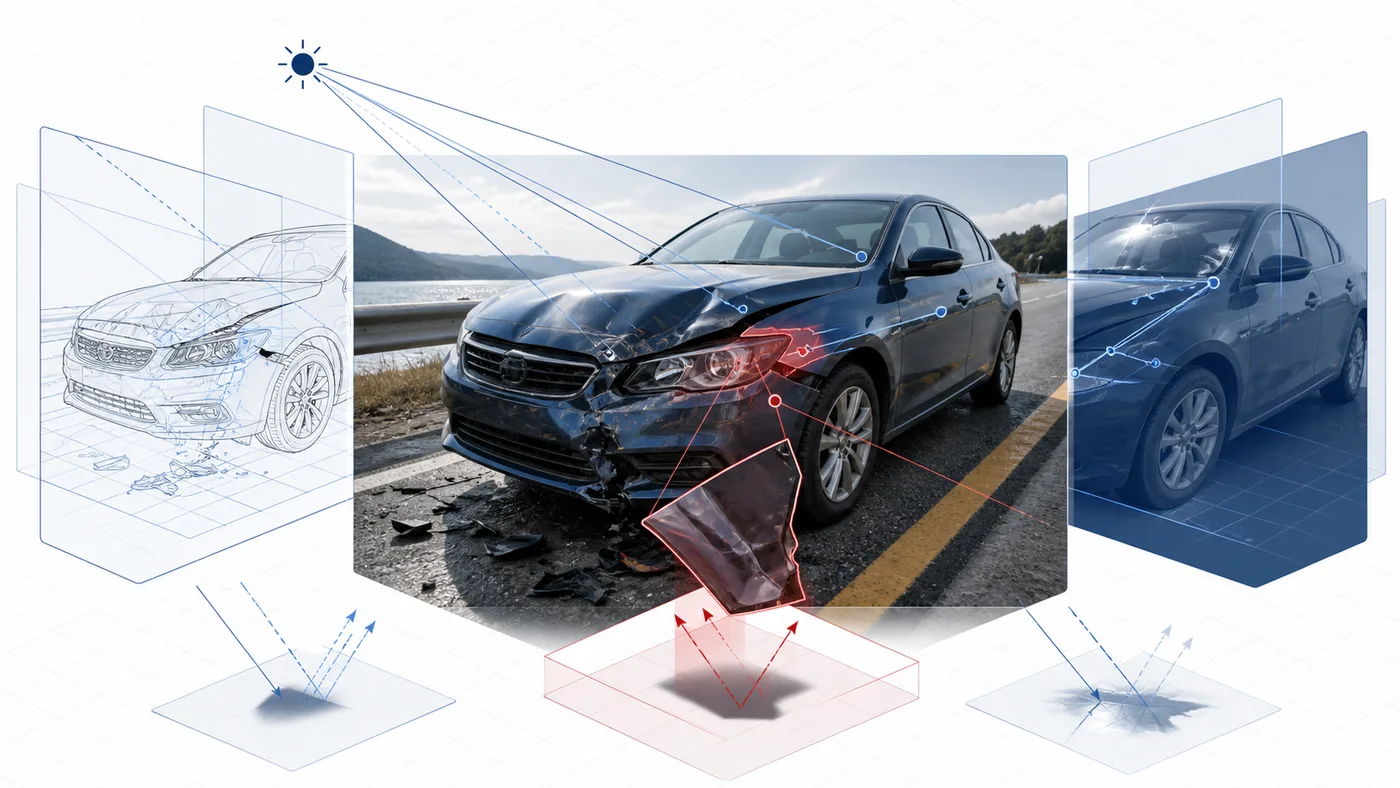
A convincing claim photo can now be created or altered in seconds. Insurers need a layered integrity process that preserves the original evidence, tests it from several directions, and turns the findings into an explainable decision.
Why AI fraud tools could cause claim risks
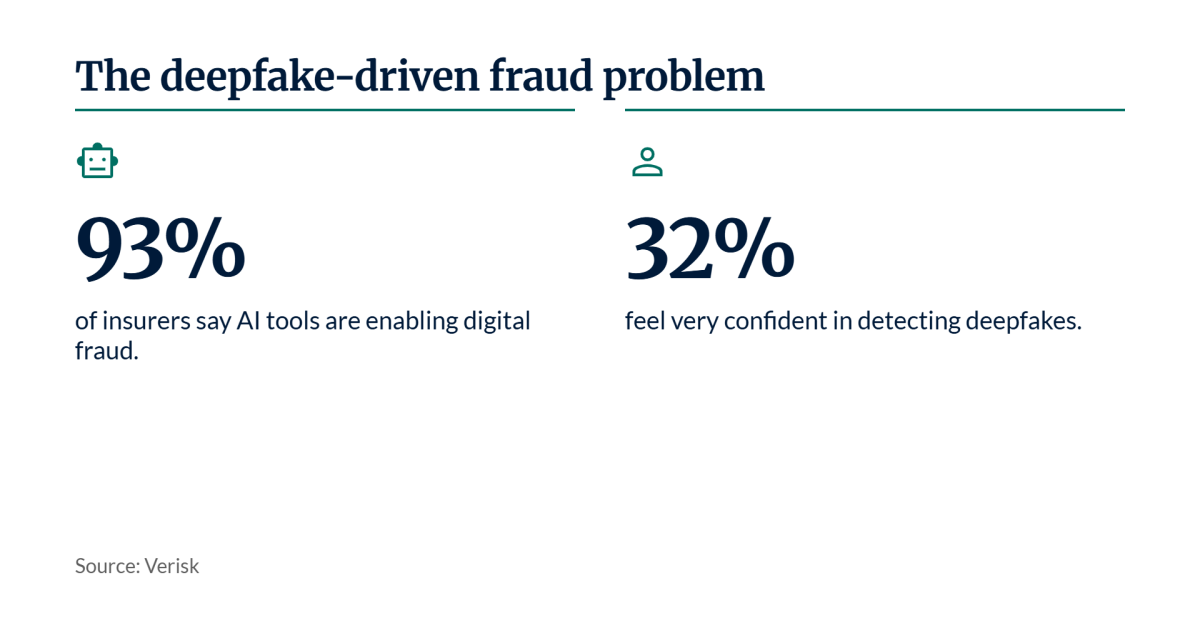
Carpe VP of Product Tom Rasmussen explains why black-box fraud scores create operational and legal risk when claims teams need defensible evidence.

What Is Insurance Claims Fraud Detection? A Practical Guide for 2026
Learn how insurers detect claims fraud, where traditional approaches lose time, and how AI supports faster, explainable review.
See Carpe on Your Own Book
A short conversation and a tailored walkthrough of the Carpe solutions that match your line of business.
Talk to An Expert